Your New Concrete’s First Winter
Road salt, de-icers and snow removal: how to get new concrete through its first Ohio winter without surface damage.
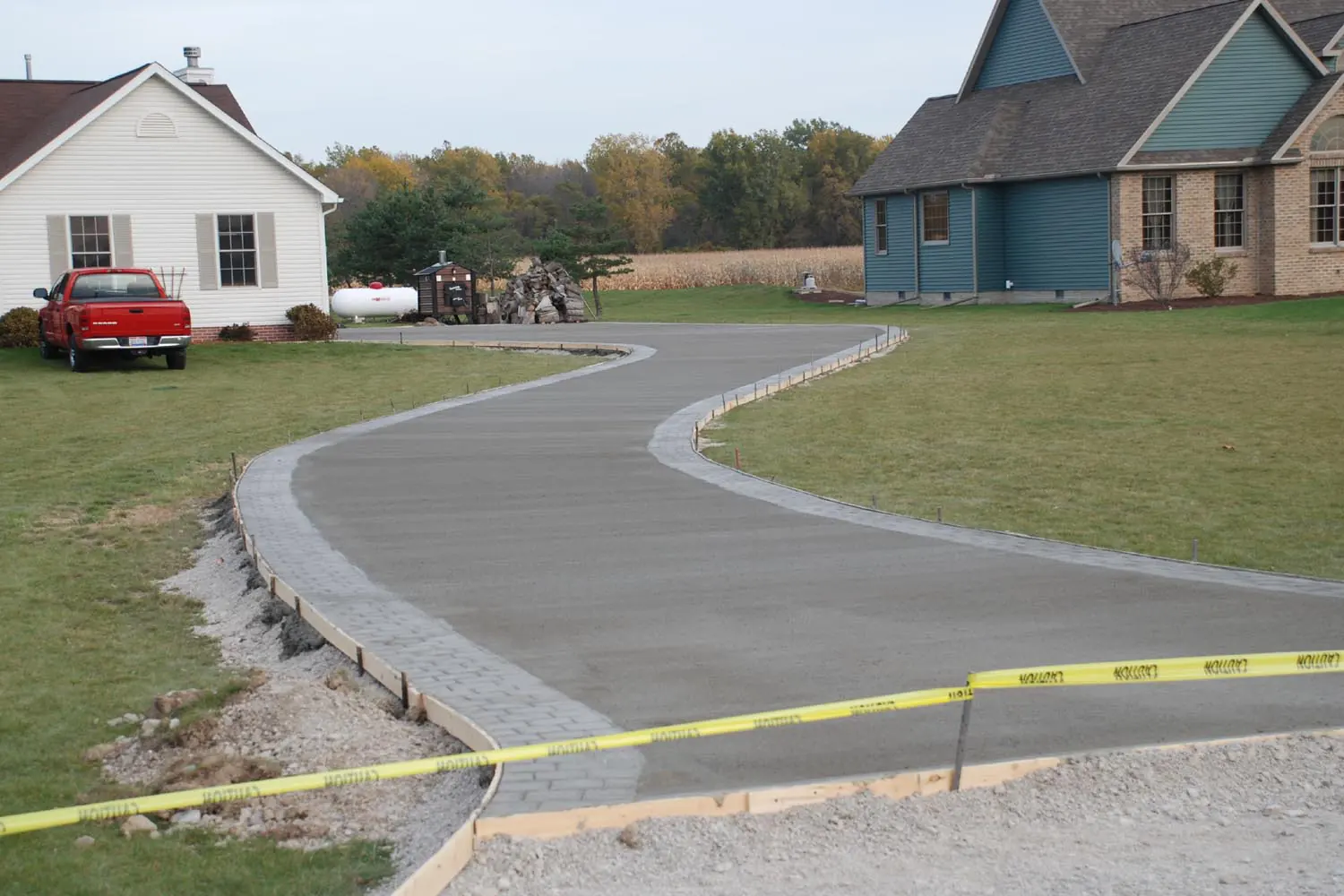
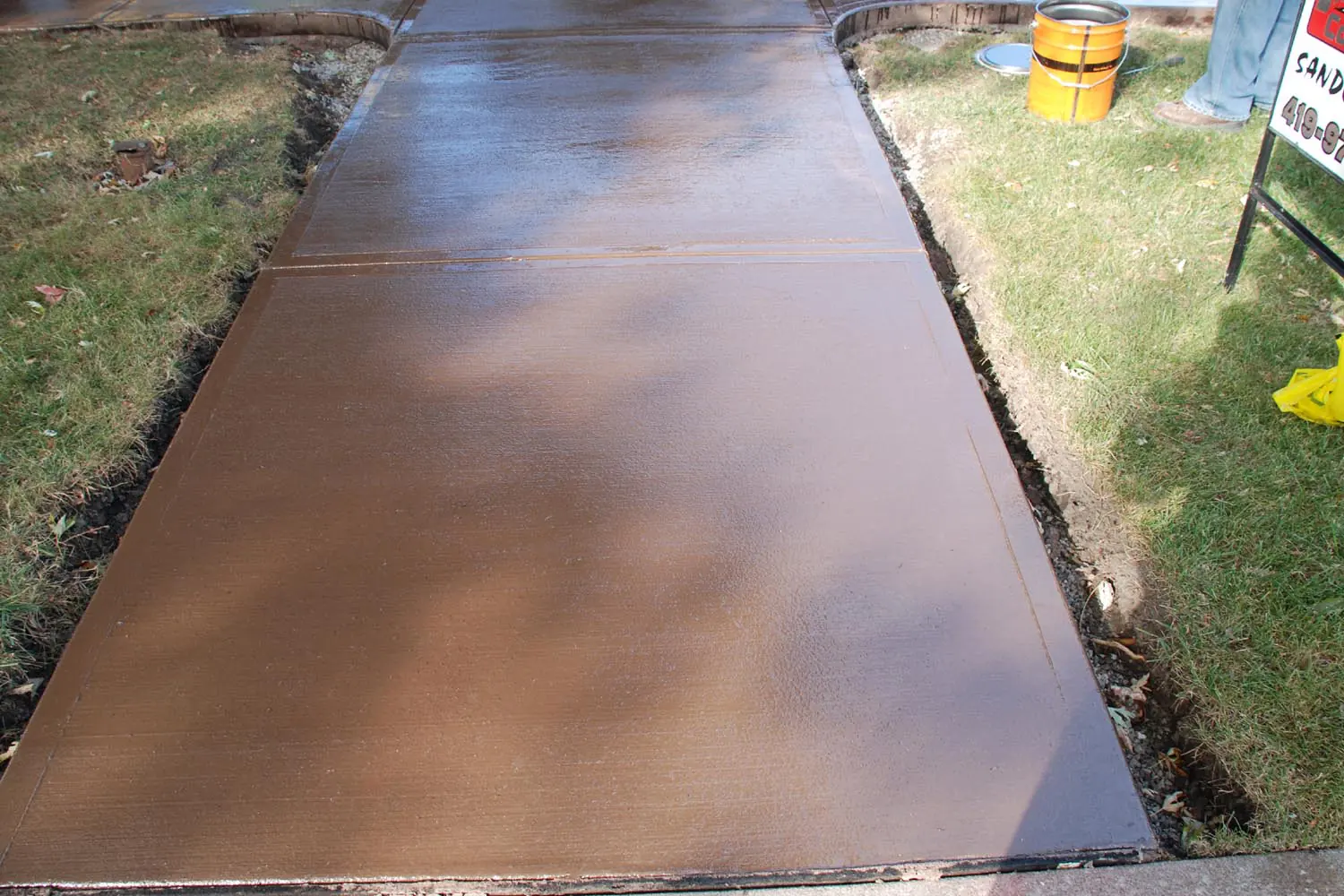
New concrete is at its most vulnerable in its first winter. It is still gaining strength, and its surface has not had time to dry out. Follow a few simple rules and it will look good for years.
Skip the de-icers the first winter
Avoid putting de-icing chemicals on concrete that is less than a year old. Repeated freeze–thaw cycles combined with salt brine can cause scaling, where thin flakes of the surface pop off. Use sand or non-clumping kitty litter for traction instead.
Even on older concrete, never use de-icers containing ammonium nitrate or ammonium sulfate. They chemically attack concrete. Be wary of products that do not list their ingredients.
Watch what your car brings home
Even if you do not salt your driveway, your vehicle carries road salt slush onto it and into the garage. When it melts and refreezes on new concrete, it does the same damage. Rinse the slush off the slab on milder days, especially in the garage.
Seal before the snow flies
A penetrating sealer such as a silane or siloxane soaks into the surface and repels water and salt brine without making it slippery. It should go on once the concrete has cured, generally at least 28 days after the pour, and before the first hard freeze. If your concrete is poured in late fall, ask us about timing.
Shovel gently
- Use a plastic shovel blade, or a metal one carefully. Gouges become places for water to get in.
- If a plow service clears your drive, ask them to raise the blade or use a rubber edge. This matters most on stamped or decorative concrete.
- Do not chip ice off the surface. Let the sun or sand do the work.
After the first year
Once your concrete has made it through a winter, it is much tougher. Keep resealing every few years, avoid harsh de-icers, and keep water draining away from the edges. Concrete that is cared for this way routinely lasts decades.